

Distillers are cutting production as millions of barrels of bourbon pile up in warehouses. Experts disagree on whether the slowdown is temporary or a sign of a lasting shift in drinking habits.
BY LUCIA AUERBACH, NEWS WRITER
Photos: Adobe Stock
Listen to this ArticleMore info
0:00 / 0:00
Kentucky distillers are making less bourbon.
On Monday, the Kentucky Distillers’ Association (KDA) announced that the state’s distillers cut bourbon production by nearly one million barrels in 2025. Total production fell to 2.13 million barrels, its lowest level since 2019.
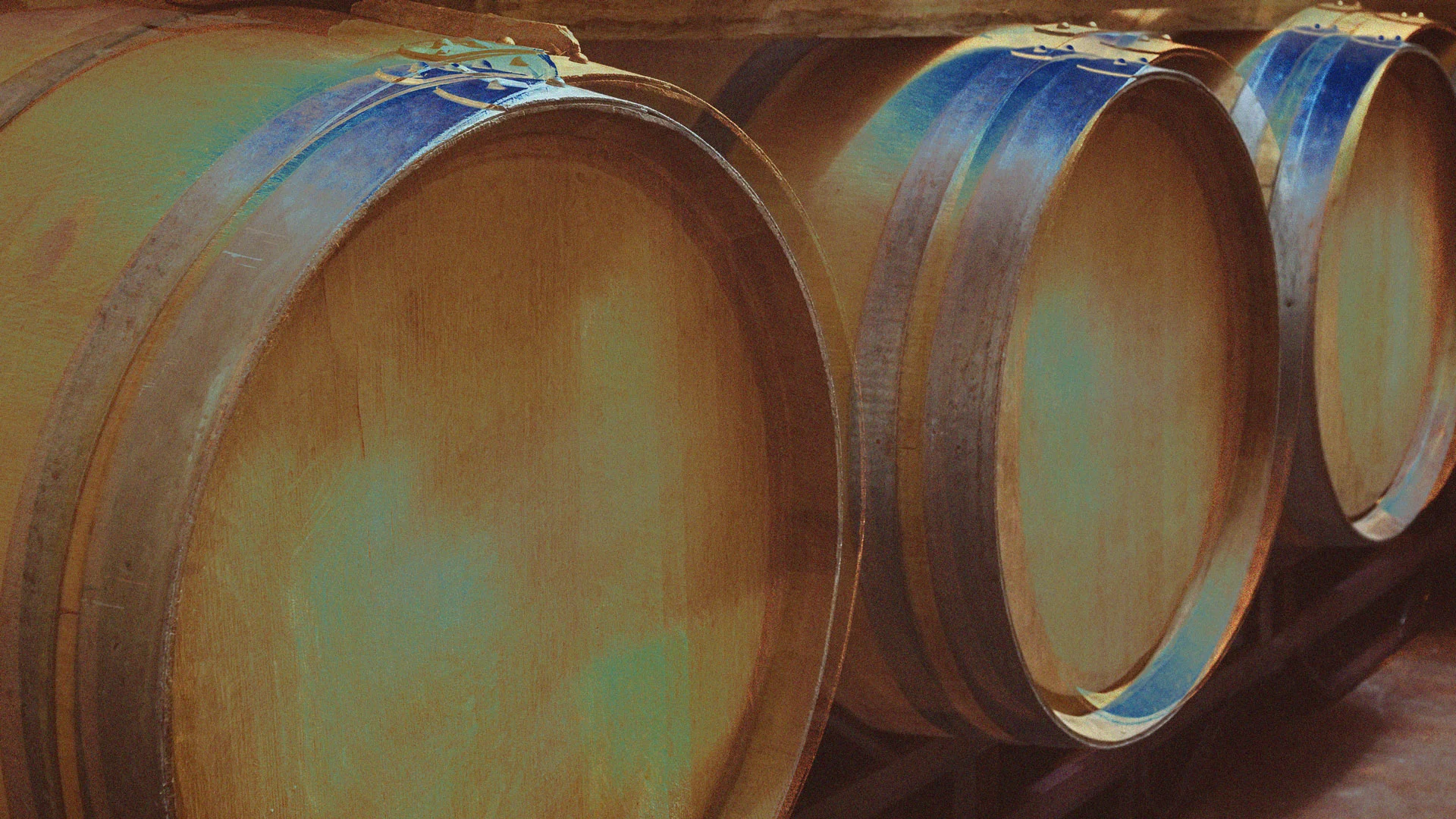
At the same time, Kentucky has more whiskey aging than ever before. Distilleries reported 17.5 million barrels of aging spirits at the beginning of this year, a 2 percent increase, according to the KDA. More than 16 million of those barrels contain bourbon.
“In an industry that requires long-term planning, distillers are making measured, responsible business decisions today,” Eric Gregory, president of the KDA, said in the release. “Just as you can’t make Bourbon overnight, it’s going to take time to recalibrate our inventory.”

Refreshed leadership advice from CEO Stephanie Mehta
Featured Video
An Inc.com Featured Presentation
Much of this oversupply can be attributed to international trade policy uncertainty, competition for leisure spending, declining rates of alcohol consumption, and the rise of alternative beverages.
Neil Reid, a professor at the University of Toledo and a craft beer researcher, told Inc. that the production decline reflects more than just an adjustment to excess inventory.
Americans are drinking less alcohol
According to a Gallup poll from August 2025, only 54 percent of American adults said they consumed alcohol, the lowest figure in Gallup’s tracking history. Reid said that this number “suggests that the bourbon industry may be confronting a structural change in drinking habits rather than simply a temporary downturn.”
But Greg Dillon, a whisky brand strategist and co-founder of GreatDrams.com, told Inc. that he sees it differently. He said that although production is declining, it does not mean that consumers have lost their interest in bourbon.
“Demand has softened, but supply has also moved significantly ahead of it. American whiskey sales fell by 0.9 percent in 2025, while Kentucky filled around 30 percent fewer bourbon barrels,” Dillon said. “That points to an inventory correction rather than a collapse in the category.”
Bourbon’s pandemic boom comes back to haunt distillers
Marianne Eaves, master distiller of Forbidden Bourbon, told Inc. that the industry’s projections a few years ago were built on the unusual growth trajectory established during the pandemic, a period when she said “virtually nothing about consumer behavior was typical.”
“I do think there was an over-reliance on exceptionally favorable growth models without enough consideration of what a return to more typical consumer behavior might look like,” Eaves said. She added that one of the challenges of bourbon production is making decisions about products that will not reach customers for years.
“That requires a healthy degree of humility in forecasting,” she said. “I think some of that humility was lost during the boom.”
Michael Bilello, president and CEO of the American Whiskey Association, told Inc. that one year’s production numbers should not be read as a verdict on bourbon’s long-term prospects. Like Dillon, he said the main driver of the slowdown is an inventory correction after several years of strong production.
“Demand has softened in parts of the market, and trade disruptions have added pressure and uncertainty, especially for exports,” Bilello said. “For example, American whiskey hasn’t been on the shelves in Canada for 21 months due to a broader trade dispute between our two countries.”
Smaller distilleries face the biggest risks
Smaller producers are particularly vulnerable to the slowdown. Eaves told Inc. that these businesses typically have less access to capital and fewer resources to compete for space on increasingly crowded retail shelves.
“What concerns me particularly is that an oversupply of mature whiskey could allow larger, better-capitalized companies to acquire inventory at substantially reduced prices, making it even more difficult for independent producers to compete on price,” she said.
The KDA did not immediately respond to a request for comment.
Get Inc.’s free CPG newsletter, Packaged Goods, for the latest on the founders, investors, and trends reshaping consumer brands.