

When Farah Cadet first enrolled in coding classes, she wasn’t planning to launch a startup.
The Miami-based consultant had already pursued several careers, starting in healthcare,
switching over to interior design, and building a career working on large-scale hospitality
projects like hotels and cruise ships. But during the pandemic, when the hospitality industry
slowed and her role with Virgin Voyages came to an end, Cadet found herself searching for
something new.
What started as a way to “exercise the brain” with an online bootcamp quickly became
something more.
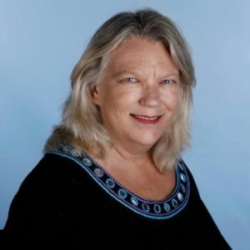
“I didn’t intend to pivot,” said Cadet [pictured above]. “I just really enjoyed it. I could feel it calling me. I could see the patterns, even when I didn’t fully understand the language yet.”
That spark from the bootcamp eventually led her to a job in software engineering, and
eventually led her to enroll in Miami Dade College, where an Apple Swift programming class
would spark the idea for her first app.
Cadet’s inspiration didn’t come from a technical problem. It came from something deeply
personal. Years earlier, she had committed to a “year of wellness,” experimenting with everything from
sunrise walks and yoga to meditation, breathwork, and sound baths. Some habits stuck. Others
didn’t.
But her journey showed her that there’s no single path to feeling better, and everyone
experiences wellness differently.
“I realized people need to know all the different options without having to dedicate a year to
figuring it out,” she said. “So I told myself that I really wanted to make an app that helps people.”
That insight became the foundation for Ritually, an AI-powered app that helps users find quick,
personalized wellness practices based on how they feel in the moment.
When they first download the app, users answer four questions:
● How are you feeling?
● How much time do you have?
● What’s your energy level?
● What feeling do you want to lean into?
From there, the app generates a short, guided “ritual,” or a set of mindful steps and activities
tailored to the user’s state of mind. “If you say you have five minutes, the app gives you three things that you can do in five minutes to go from feeling overwhelmed to more balanced,” she said. “It’s not one-size-fits-all, but it’s about helping people find their own path.
The idea came together fast. After learning about an upcoming demo day at Miami Dade College, Cadet gave herself just a few weeks to build, often staying up until 2 or 3 a.m. to make it happen.
“I just started building,” she said. “I didn’t know what my limitations were supposed to be.” Working solo, she developed a minimum viable product (MVP) using Swift and integrated AI to
generate personalized wellness routines. By April 2025, she was ready to present.
That demo opened doors. Cadet was selected to showcase Ritually at the Apple Store in Aventura, where she presented the app to a live audience. Even without actively promoting downloads, people in the audience sought it out. “I had about 10 people download it that day,” she said. “That was really cool.”
Cadet didn’t raise capital to build Ritually. Instead, she leaned heavily on the tech ecosystem,
communities, and resources around her at Miami Dade College.
From faculty mentorship to branding guidance and demo opportunities, the college became
essential throughout her building journey. “I feel like my partner in this has been Miami Dade,” she said. “They’ve been there at every step, offering resources and opportunities.”
She also conducted beta testing with real users, collecting weekly feedback and refining the
app’s experience, like adding in audio-guided rituals for a more immersive experience and
smartwatch integrations. Today, Ritually continues to evolve based on user input.
The app is currently free, with plans to launch a premium model that includes features like
expanded personalization and unlimited ritual generation.
While Ritually started as a personal project, Cadet sees bigger potential ahead. She envisions the app becoming part of workplace wellness programs, offering a more personalized alternative for employees and organizations.
“There’s a gap in how employers approach wellness,” she said. “It’s often very one-size-fits-all,
and that doesn’t really meet people where they are.”
She’s also exploring a version tailored for children, aiming to introduce them to emotional
regulation and mindfulness earlier in life. At its core, though, the mission remains simple: helping people find calm in a chaotic world.
“Peace is a skill,” Cadet said. “You don’t have to wait for things to get peaceful, you can cultivate
that within yourself.”
For founders looking to launch their own startups, Cadet has one piece of advice: just start.
“I was scared too. I had no idea what I was doing at certain points,” she said. “But in the doing, you end up with something.”
READ MORE IN REFRESH MIAMI:
- 3PeeL serves as matchmaker for brands looking for trusted 3PLs
- Dishio raises $2.5M to help restaurants turn diners into loyal customers
- When Miami’s bridge goes up, this founder wants your blood pressure to stay down
- Churro counters go AI as these two brothers are rebuilding restaurant ops from the inside
- VURT is giving filmmakers a faster path to distribution and revenue
- How an MDC student turned a personal wellness journey into an AI-powered app for everyday peace – June 5, 2026
- 6+ things to know in #MiamiTech: News about Peter Thiel, South Summit, an AI adoption survey, Verix Equity Partners, Flagler Technologies, fresh job opportunities & more – June 4, 2026
- 8 South Florida startups will present at this week’s FVF Early Stage Venture Conference – June 1, 2026