

Anthropic’s massive IPO could inject billions into San Francisco’s housing market. Experts point to SpaceX and Facebook as examples of what may unfold.
BY MOSES JEANFRANCOIS, NEWS WRITER @MOSESJEANS
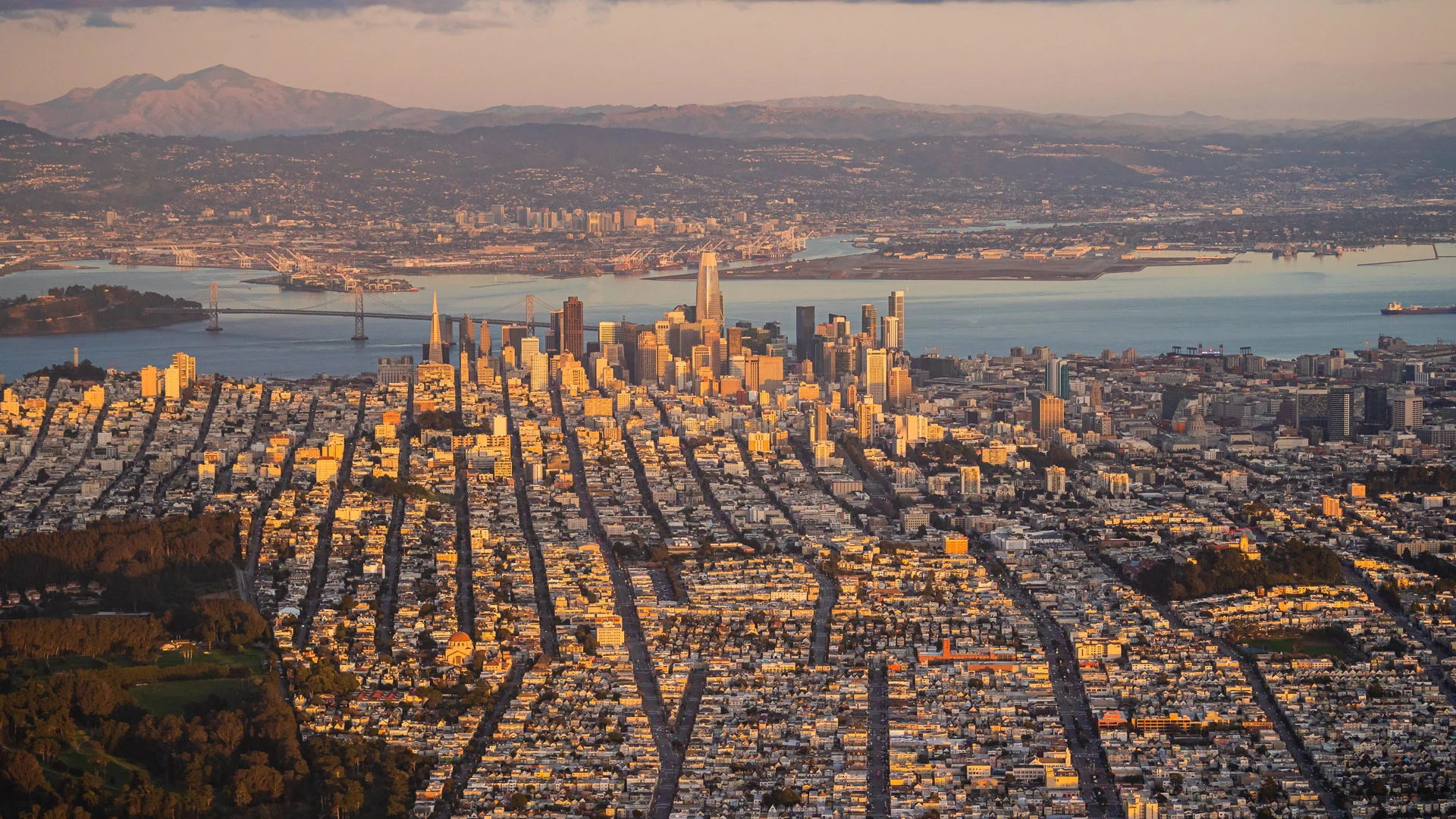
Photo: Adobe Stock
Listen to this ArticleMore info
0:00 / 0:00
Anthropic’s stock-market debut turned thousands of employees into millionaires and billionaires.
According to a report from Redfin, the wealth created through Anthropic’s IPO is substantial enough that current and former employees could buy roughly 9 percent of all homes in San Francisco. The real estate company said its estimate is based on current and former employees’ post-tax equity holdings of $63 billion.
On Thursday, ahead of trading, Anthropic raised a record $81 billion for its stock-market debut, making the five-year-old company one of the world’s most valuable companies, with a $1.5 trillion valuation.
Although Anthropic’s shares were originally expected to be priced from $70 to $78 range, investor interest pushed the share price to $83. According to the BBC, the founders’ shareholdings are now worth at least $19.3 billion each.

Refreshed leadership advice from CEO Stephanie Mehta
Featured Video
An Inc.com Featured Presentation
San Francisco currently faces a housing affordability crisis because of a surge in AI venture capital. High-earning AI workers are gaining big payouts, fueling intense bidding wars. According to a report from The New York Times, some home sellers have gone so far as to accept pre-IPO AI stock instead of cash.
“When a lot of new wealth lands in a market where housing supply is already tight, the likeliest outcome is more competition for the same homes,” Redfin chief economist Daryl Fairweather told Inc.
San Francisco experienced a real estate boom following SpaceX’s IPO in June. With Anthropic’s IPO and a potential OpenAI IPO in 2027, demand is expected only to increase.
Fairweather, however, said San Francisco is unlikely to see a flurry of new construction. “Home prices are already growing at their fastest pace in nearly a decade, and so far that’s mostly been driven by huge AI salaries and signing bonuses, before anyone has cashed out an IPO … Even a small share of that wealth chasing a limited number of homes could add real pressure to an already tight market.”
Matthew Kwatinetz, a clinical assistant professor of real estate economics at NYU, told Inc. that an IPO’s effect on the for-sale housing market immediately appears in asset prices, which reflect expectations of supply and demand.
“When sellers believe increased demand for purchase, they immediately adjust pricing. This can happen when multiple offers are received on a listing or when a broker or owner decides there is shadow demand out there and holds out for a higher price,” he said.
Kwatinetz said that this would all be a short-term effect, noting that the real estate market does not react as quickly as the stock market or publicly traded market. “It takes time for supply to respond to changes in demand.”
Increases in home prices, as well as overall supply, have been a typical consequence of big tech IPOs. Following the market debut of Facebook in May 2012, San Francisco housing prices began to climb.
According to a report from Zillow, between March 2012 and March 2013, home values around areas where Facebook employees lived climbed 21 percent, compared with 17 percent in all other Bay Area census tracts. That translated into an additional $29,800 in appreciation for the typical home in those areas compared with homes elsewhere in the Bay Area.
“SF is known as a boom-and-bust market from gold rush times to present, so likely we will see big swings in builders trying to hit this demand,” said Kwatinetz.
“Before employees receive shares, they can act with their perceived future increase in wealth. To borrow against it, they must receive it first. But they may begin acting to push up the market.”
Anthropic did not immediately respond to a request for comment.
Get Inc.’s free CPG newsletter, Packaged Goods, for the latest on the founders, investors, and trends reshaping consumer brands.