

For years, shipping perishable goods came with a costly rule of thumb: Send everything overnight, pack in as much coolant and insulation as possible, and hope for the best. Grip founder and CEO Juan Camilo Meisel thinks brands can be far more precise.
“This one box does require these four gel packs and this one service, but this other box, you can actually get away with two gel packs and this other shipment service that’s cheaper,” Meisel [pictured above] told Refresh Miami.
That focus has helped the Miami-based logistics and technology company grow 100% year over year for the past three years. Grip is nearing 200 employees and expanding the physical network behind its software. A new 150,000-square-foot facility in Reno was set to open Sept. 1, while the company has moved into a larger Michigan building and plans further growth in New Jersey and Florida. With five facilities, Grip expects to reach 80% of the U.S. population within 24 hours.
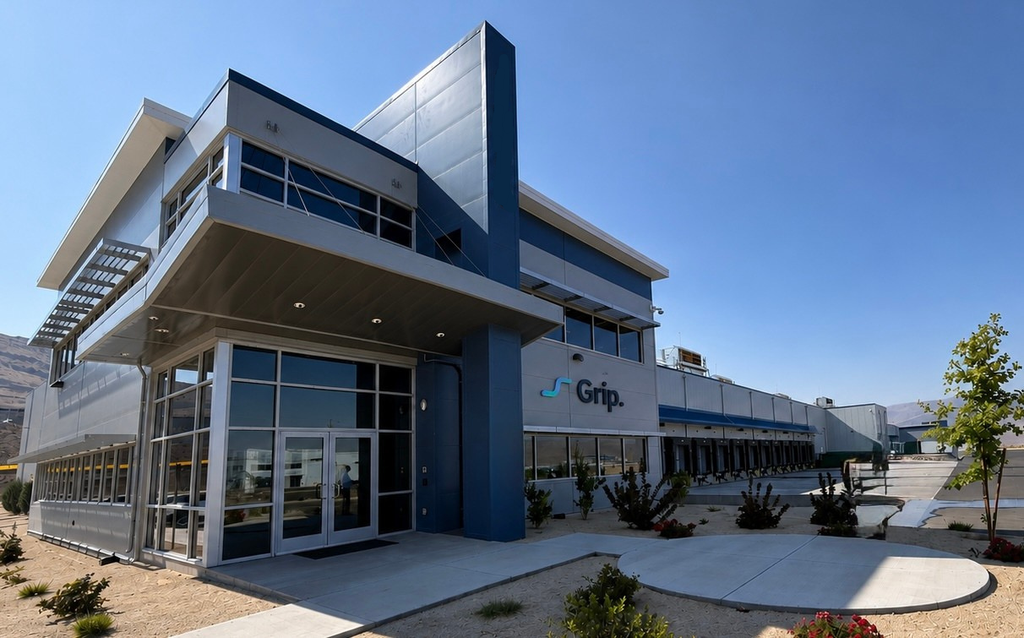
The scale serves an unusually sensitive mix of products: specialty foods, meat, human-grade pet food and, increasingly, refrigerated pharmaceuticals such as GLP-1 drugs and peptides. A late package can be annoying, but a warm one can be worthless.
Grip’s order management system acts as a command center for brands, while its shipping engine selects how each package should move. The system studies carrier performance, delivery timing, temperatures, product behavior and refrigerant options, including dry ice and gel packs. The aim is to spend where product safety calls for it, without charging brands or consumers for safeguards a shipment does not need.
Meisel sees pharmaceuticals at the same point direct-to-consumer food occupied about a decade ago, when companies routinely paid for excess protection. “At the end of the day, you’re just overpaying for all this stuff,” he said.
AI also helps Grip build its own internal tools faster. When existing truck-scheduling products failed to match its warehouse workflows, the company made its own application. “We just said, ‘We’ve got to develop our own,’” Meisel asserted. The tool went live within months.
Grip is also linking regional delivery companies through an alternative-carrier platform. It can collect orders from customers’ facilities and assign deliveries across that network, seeking lower costs and stronger service. The result is a wider delivery map built from many smaller local networks. That reach gives brands a way to shorten transit times without relying on one national delivery company.
Miami remains Grip’s headquarters and a useful recruiting draw. Meisel said the city offers strong logistics and operations talent, though it could use more engineers. The company has moved employees from elsewhere in the country, aided by candidates’ interest in Miami and its growing startup scene.
The larger goal is what Meisel called “commerce enablement”: letting brands focus on products, marketing and sales while Grip handles what happens after checkout. For food and medicine that cannot simply be placed in the mail, that second half may decide whether a carefully made product arrives as promised or becomes an expensive box of regret.
READ MORE IN REFRESH MIAMI:
- Miami startup helps D2C brands get a Grip on perishable shipping
- South Florida’s AMPERA lands major shipping deal as it opens new global headquarters
- Search has a new answer, and Specularis wants Miami businesses in it
- WRTH is building the back office for rare assets
- Chip’s EV is taking a different road to autonomy

- Zèya zooms past 100,000 downloads, sets its sights on the next million – September 16, 2026
- Grip is taking the guesswork out of shipping the cold stuff – September 15, 2026
- Joe Russo helped build Palm Beach Tech. Now he’s building from it. – September 14, 2026