

Someone with an idea and a chatbot can now spin up an application over a weekend. That may be great for builders, but it is also creating a new kind of headache for cybersecurity teams.
For Miami-based SafeHill, that shift has become a major opportunity.
Founded by cybersecurity veterans Nicholas Gonzalez, Mike Peña, and Hector Monsegur, SafeHill helps organizations identify security weaknesses before bad actors can exploit them. As AI-generated code floods the market, the company is positioning itself in one of cybersecurity’s fastest-growing fights.
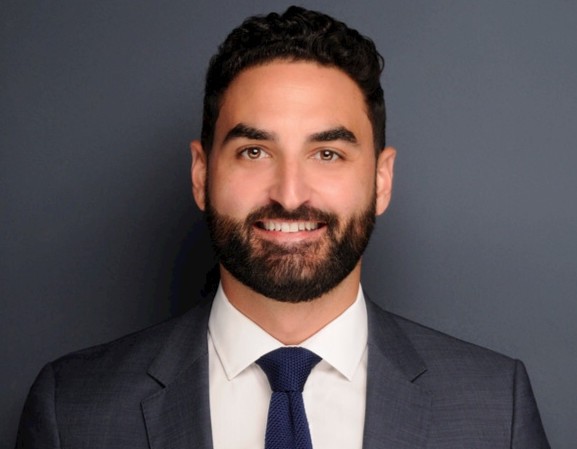
“We expose attack paths before hackers do,” Nicholas Gonzalez, co-founder and chief revenue officer of SafeHill, told Refresh Miami.
The company’s story is deeply tied to Florida. Gonzalez grew up in Tampa as a first-generation Cuban American before attending Florida International University in Miami. After building a career in IT, database administration, and cybersecurity consulting, he became convinced that security would become one of the defining challenges of the digital economy.
When he met his future co-founders around 2018, the connection was immediate. The trio shared a view that many organizations were relying on outdated approaches to security.
“We felt like we were doing something noble in helping organizations protect themselves, their data, and ultimately their employees,” Gonzalez said.
That vision led them to SafeHill and later to Techstars in 2023, which Gonzalez described as a major turning point.
Since its official launch, SafeHill says it has achieved an average 47% quarter-over-quarter cumulative growth rate, increased hiring by roughly 20%, and generated 35% of revenue through channel partners.
Its flagship platform, SecureIQ, continuously scans an organization’s digital footprint, looking for vulnerabilities and potential attack paths. That continuous approach matters as AI changes how software is built.
One major trend is “vibe coding,” the practice of using AI tools to generate software code. It speeds up development, but can also create new security risks.
“The conversations with leadership are becoming more educated,” Gonzalez said. “They’re realizing they can’t go to sleep at night just because they performed a single point-in-time penetration test.”
Rather than treating AI only as a threat, SafeHill is using it in its own defense model. The company’s platform combines agentic AI with human ethical hackers who validate findings and investigate possible vulnerabilities.
“Anyone who says offensive security should be 100% automated isn’t taking into account that hackers are going to be leveraging their own human problem-solving skills,” Gonzalez asserted.
That human-plus-AI approach now extends into Helix and Sentinel, tools designed to identify and validate vulnerabilities in both traditional software and AI-generated code.
SafeHill is also expanding in Florida. Earlier this summer, the company announced plans to open a research office in Tampa Bay, placing part of its operation in the heart of the state’s growing CyberBay ecosystem.
The move reflects a broader strategy across both sides of Interstate 75. Miami has built a strong startup brand, while Tampa has become a growing cybersecurity hub. SafeHill is betting the state can provide both talent and community.
“I think Florida is an incredible state to grow a business,” Gonzalez said. “I’m seeing a lot of great talent coming out of our university systems that wants to stay here.” Gonzalez added that he hopes for SafeHill to help make Florida part of the next chapter of cybersecurity.
The company is hiring in the state and plans to keep expanding its team, especially among penetration testers and security researchers. It also recently finalized a partnership with Florida-based DigitalEra Group, which SafeHill expects will support expansion across Latin America, the Caribbean, and more U.S. markets.
Pictured at the top of this post: Part of SafeHill’s team at a Techstars event.
READ MORE IN REFRESH MIAMI:
- From hacker to hero, this startup raised $2.6M to redefine cybersecurity with a conscience
- AI security startup Penti thinks vibe coding needs a bodyguard
- AI broke the security model. Pillar wants to fix it.
- From hacker to investigator, this cybersecurity expert built a business by thinking like a criminal